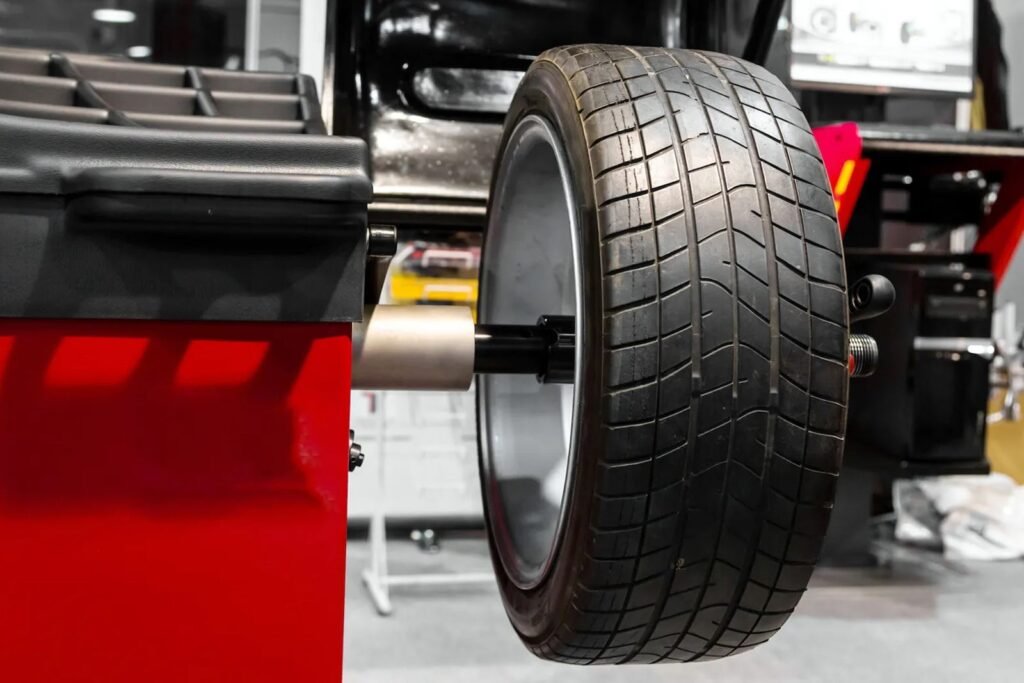
It's the rubber, not just the tread
The tread pattern gets most of the attention, but the bigger difference between a winter tire and an all-season is the rubber compound itself. All-season rubber is built to hold its shape across a wide temperature range, and that trade-off means it starts to stiffen once temperatures drop below about 7 C, the same threshold that marks when a changeover starts to matter. Winter tire compounds are formulated to stay pliable well below that point, which is what keeps the tread actually gripping the road instead of skating across it on a cold, dry surface, not just in snow. The tread itself matters too, with deeper grooves and more sipes, the small slits cut into each tread block, to bite into snow and channel away slush. Ontario does not require the swap by law the way Quebec does, but the insurer discount available since a January 1, 2016 regulation exists because insurers see the difference in claims from vehicles running dedicated winter tires through the cold months.